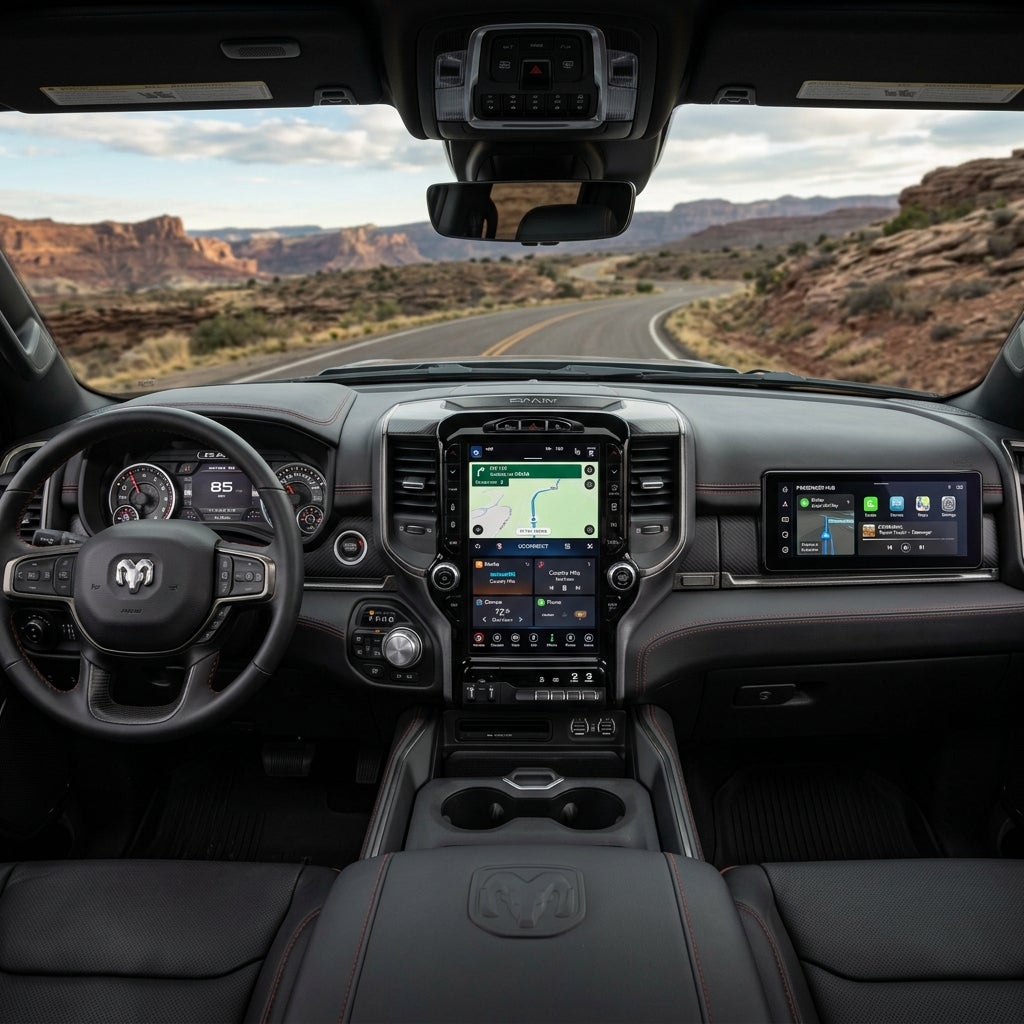
Car enthusiasts tend to judge vehicles by horsepower, handling, and design. Professional chauffeur companies judge them by a different set of standards: ride quality, cabin silence, rear-seat comfort, reliability over hundreds of thousands of miles, and the ability to look immaculate every single day. Understanding what goes into an executive fleet reveals a side of the automotive world most drivers never think about.
The Rear Seat Is the Driver’s Seat
In most cars, every design decision centers on the person behind the wheel. In an executive vehicle, the priority flips. The passenger in the back is the customer, and the vehicle has to serve them first.
That means generous rear legroom, supportive seating, easy entry and exit, and controls the passenger can reach without asking. Full-size luxury sedans like the Mercedes-Benz S-Class and BMW 7 Series are built with this in mind, offering long wheelbases that turn the back seat into a quiet workspace. Large luxury SUVs such as the Cadillac Escalade, Lincoln Navigator, and GMC Yukon Denali deliver similar comfort with more headroom and cargo space for luggage-heavy trips.
Ride Quality and Cabin Isolation
An executive vehicle should feel calm at any speed. Adaptive or air suspension systems smooth out potholes, expansion joints, and rough pavement, which matters in a city where streets climb steep hills and highways carry heavy truck traffic. Acoustic glass, thick insulation, and tight door seals keep road and wind noise out, so passengers can take calls or think without distraction.
These features aren’t luxuries in a chauffeur fleet. They’re working tools. A passenger who arrives rested and focused is the whole point of the service.
Reliability Comes First
A personal car that occasionally needs an unplanned repair is an inconvenience. A fleet vehicle that breaks down on the way to the airport is a failed service. Professional operators choose models with proven drivetrains, strong dealer support, and parts availability, and they track every vehicle’s maintenance closely.
Typical fleet maintenance programs go well beyond the owner’s manual:
- Shorter oil-change intervals to account for heavy stop-and-go use and long idling periods
- Frequent brake inspections, since city driving and hilly terrain wear pads and rotors quickly
- Tire monitoring and rotation to maintain grip on wet roads and preserve a smooth ride
- Regular checks of fluids, belts, and cooling systems to prevent overheating during long waits
- Scheduled replacement of vehicles once mileage or wear reaches a set threshold
The goal is simple: problems should be caught in the shop, never on the road.
Appearance Is Part of the Product
Executive transportation is judged the moment the car pulls up. A spotless exterior, clean wheels, polished glass, and a fresh interior signal professionalism before the chauffeur says a word. Most fleets detail vehicles daily and inspect them before every trip, with special attention to the rear cabin, carpets, and leather surfaces.
Dark colors dominate for a reason. Black and deep gray vehicles look formal, hide minor road grime between washes, and present a consistent image across the fleet. That consistency is also why the industry is often described as “black car” service.
Safety Features That Matter Most
Modern luxury vehicles come loaded with driver-assistance technology, and chauffeur companies make full use of it. Features that matter most in professional use include:
- Blind-spot monitoring and rear cross-traffic alerts for busy downtown streets and tight hotel driveways
- Adaptive cruise control to reduce fatigue on long highway stretches
- All-wheel drive for traction on wet roads and steep grades
- Advanced headlight systems for better visibility on dark, rainy evenings
- Multiple airbags and reinforced structures that protect rear-seat occupants
Technology never replaces a skilled chauffeur, but it adds an extra layer of protection on every trip.
Matching Vehicles to Real-World Needs
Fleets are built around how clients actually travel. In a region like Puget Sound, that means:
- Sedans for solo business travelers and couples moving between offices, hotels, and restaurants
- Full-size SUVs for small groups, families, and passengers with skis, golf bags, or multiple suitcases
- Executive vans for corporate teams and event groups who need to stay together
A well-run executive car service Seattle travelers rely on, such as Executive car service seattle, keeps a mix of these vehicle types so each booking gets the right car rather than whatever happens to be available.
The Role of the Chauffeur
Even the best vehicle is only half the equation. Professional chauffeurs are trained to drive smoothly, with gentle acceleration, early braking, and steady cornering, so passengers barely notice the car is moving. They plan routes ahead of time, monitor traffic, and know how to approach busy terminals and building entrances efficiently.
Chauffeurs also act as the first line of vehicle care. They report unusual noises, warning lights, or handling changes immediately, which keeps small issues from becoming breakdowns.
What Enthusiasts Can Learn From Fleet Practices
Fleet operators have refined vehicle care into a discipline, and many of their habits apply to everyday drivers:
- Follow a maintenance schedule based on how you actually drive, not just the minimum intervals.
- Inspect tires and brakes more often if you drive in hilly or wet conditions.
- Keep the interior clean, since it protects materials and preserves resale value.
- Address warning lights and odd sounds right away instead of waiting.
- Choose vehicles with strong reliability records and good service support.
Built for the Long Haul
Executive vehicles live demanding lives: long hours, constant passengers, varied weather, and zero tolerance for failure. The models that earn a place in professional fleets combine comfort, quiet, durability, and safety in a way few other cars must. Behind every smooth, punctual chauffeured ride is a vehicle chosen with care and maintained with precision.

